
Reflection: The Capacity to Regulate
5 min read | Building internal agency over external validation | By: Phoenix Sparks
Why It Matters
Multicultural children often feel like "social chameleons," constantly shifting their personality to fit the cultural room they are in. While being adaptable is a skill, doing it without a core anchor leads to Identity Fatigue. Reflection is the mechanism that stops this cycle, shifting a child from Reacting to Regulating.
The Big Picture
Reflection is the engine of Internal Agency. It allows a child to move through different worlds without losing themselves in the process.
The Failure Mode: Without reflection, children become overly dependent on External Validation. They rely on comparison, praise, and others’ labels to feel secure because they lack an internal compass.
The Goal: To build an Internal Locus of Control—the rock-solid belief that they are the primary author of their own story, regardless of their environment.
What the Science Tells Us
Reflection isn't just "thinking"; it is the biological process of integrating experience into identity.
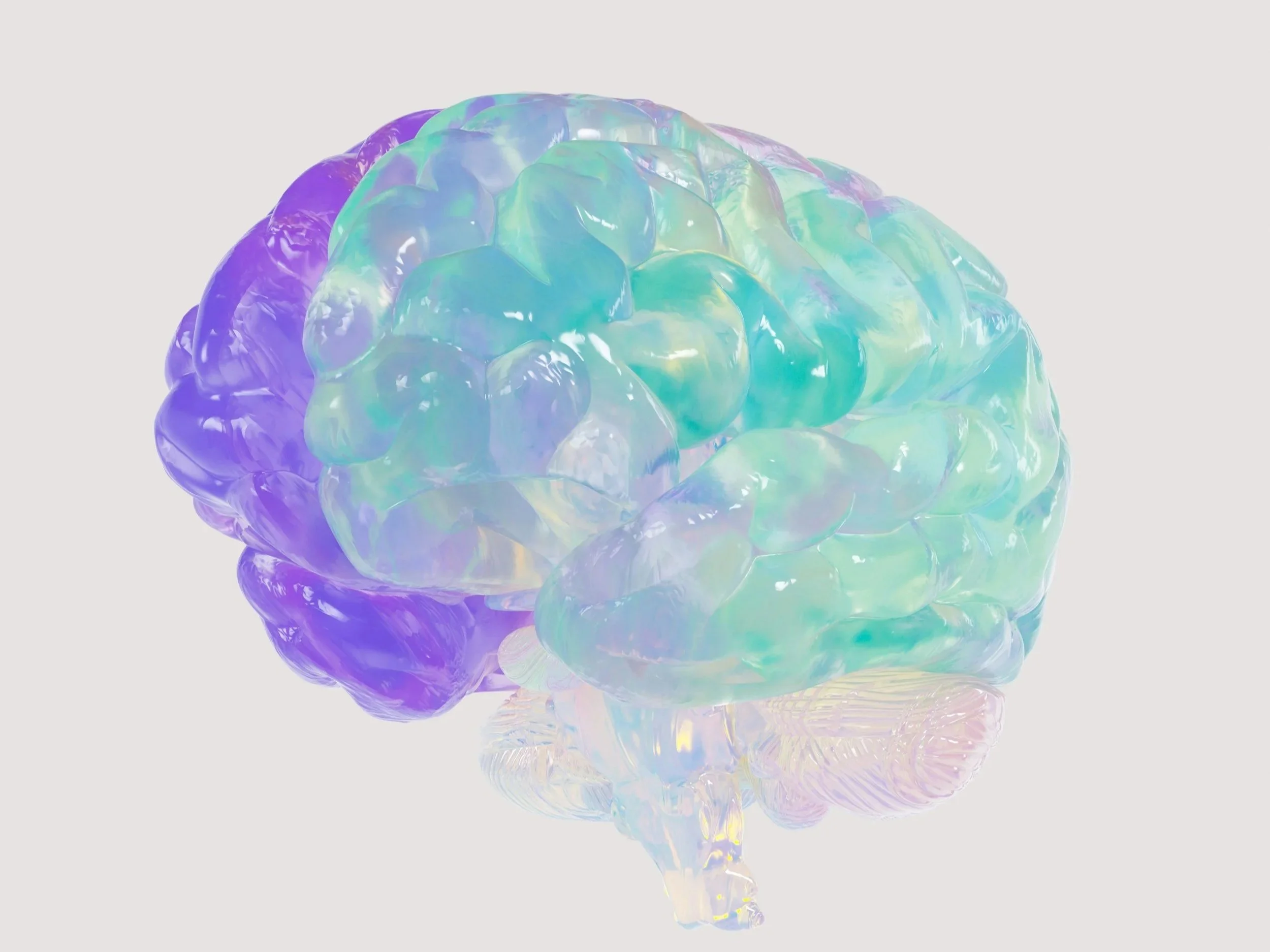
Metacognition & the PFC: Reflection is "thinking about thinking." It activates the Prefrontal Cortex (PFC), which allows a child to view their emotions as "data points" rather than absolute truths. This creates the "mental space" needed to choose a response rather than just reacting.
The Narrative Identity: The brain uses the Default Mode Network (DMN) to construct a "self-story." For multicultural kids, this story can become fragmented. Active reflection helps the brain "knit" these different cultural experiences into a single, coherent identity.
Self-Determination Theory: Research shows that Autonomy—the feeling of being the origin of one's actions—is the leading predictor of psychological well-being. Reflection is the practice that builds this autonomy.
Go Deeper into the Science:
The Science of Self-Regulation – Harvard’s Center on the Developing Child
Metacognition: How Thinking About Thinking Can Help Kids – Child Mind Institute
The Practice: The Agency Check-In
To move a child from Validation to Agency, help them separate their "Self" from their "Situation." Try these three prompts:
The "Observer" Question: Instead of asking "How do you feel?" (which can be overwhelming), ask: "What did you notice your brain doing when that happened?" This helps them observe their thoughts from a distance.
Values over Votes: When they seek praise for an achievement, flip the script: "You seem really proud of that. What part of it mattered most to you?" This directs them to look inward for satisfaction.
The Integration Pause: After a cultural transition (like coming home from a grandparent's house or school), ask: "What was a 'rule' in that house that we don't have here? How did it feel to switch?"
The Pro Tip: Don't start with "You." Start with "It." Instead of asking what their brain did, ask what a character in a book or a "Future Version" of themselves might do. This is called Self-Distancing, and it’s a powerful way to activate the Prefrontal Cortex without triggering the Amygdala.

The Bottom Line
Reflection is the Integration of your child's developmental engine. It is the ability to turn a mess of experiences into a stable sense of self. When a child has the capacity to regulate, they aren't just blending into their surroundings. They are navigating them with Internal Agency.